
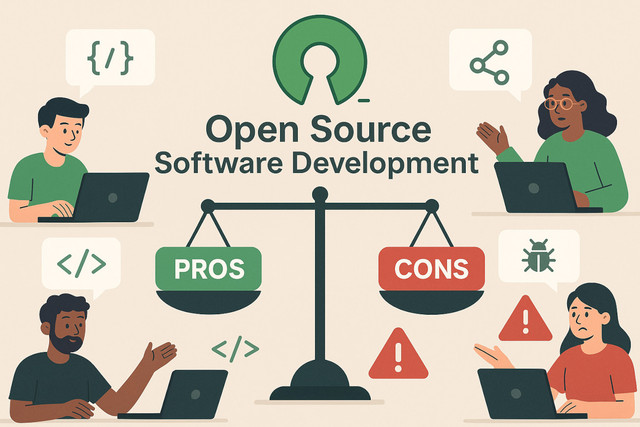

Linux users continue to enjoy one of the most flexible computing environments available today, and open source software remains the biggest reason behind that success. In 2026, developers, businesses, students, and everyday computer users are choosing open source applications because they provide transparency, reliability, and continuous innovation. Unlike proprietary software, open source programs allow communities to improve features, fix bugs quickly, and strengthen security through public collaboration. This approach creates software that evolves rapidly while remaining accessible to everyone. The trendspblinuxtech approach highlights how Linux users can build a complete digital workspace without expensive licenses. Whether someone needs office software, multimedia tools, programming platforms, or cybersecurity utilities, the Linux ecosystem offers excellent alternatives. Open source software has also become more user-friendly, making it suitable for beginners as well as experienced professionals. With strong community support and regular updates, Linux users can confidently rely on these applications for personal and professional work throughout 2026.
What Makes Open Source Software Different
Open source software provides users with complete access to its source code, allowing developers to modify, customize, and distribute applications legally under approved licenses. This freedom encourages innovation while reducing dependency on a single software company. The trendspblinuxtech philosophy emphasizes flexibility because every Linux user has different requirements. Some prioritize privacy, while others need powerful development environments or creative editing tools. Open source applications allow these needs to be fulfilled without costly subscriptions.
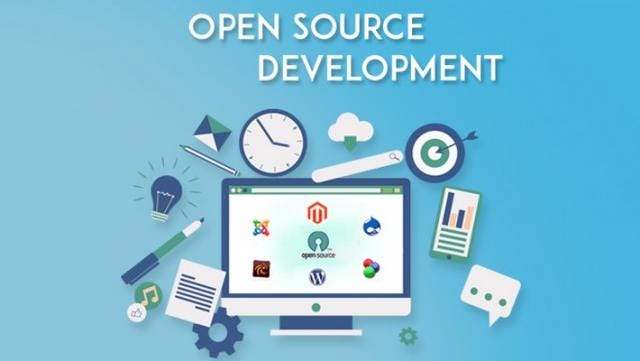
Another major benefit is security. Thousands of contributors continuously inspect the code, helping discover vulnerabilities quickly. Performance also improves because developers optimize software for different Linux distributions rather than focusing on one operating system. Open source communities are known for detailed documentation, active discussion forums, and collaborative problem solving. Instead of waiting for annual upgrades, users receive frequent improvements that introduce new features while maintaining system stability. This development model keeps Linux software modern, efficient, and dependable.
Best Categories of Open Source Software
Linux users often build their systems using applications from several essential categories. Together, these tools create a complete working environment suitable for almost every task.
- Office productivity applications
- Internet browsers
- Programming environments
- Multimedia editing software
- Graphic design tools
- Password management solutions
- Virtualization software
- Backup utilities
- Communication platforms
- File compression tools
Selecting software from each category ensures a balanced Linux installation that supports work, education, entertainment, and software development without requiring proprietary alternatives.
Top Open Source Software Categories for Linux
| Category | Main Purpose | Benefits |
|---|---|---|
| Office Suite | Documents and spreadsheets | Free productivity tools |
| Web Browser | Internet access | Fast and secure browsing |
| Code Editor | Programming | Developer-friendly features |
| Media Player | Audio and video | Broad format support |
| Image Editor | Graphics creation | Professional editing tools |
| Backup Software | Data protection | Secure recovery options |
| Password Manager | Security | Safe credential storage |
| Virtual Machine | Testing systems | Multiple operating systems |
| File Manager | Organizing files | Better productivity |
Essential Productivity Applications
Productivity remains one of the strongest areas of Linux software. Modern office suites provide document editing, presentations, spreadsheets, and collaboration features suitable for students, freelancers, and businesses. Calendar applications, note-taking software, and project management tools further improve workflow organization. The trendspblinuxtech recommendation is to build a productivity toolkit based on daily requirements rather than installing unnecessary programs. Lightweight applications reduce system resource usage while maintaining impressive functionality. Synchronization tools also allow users to access files across multiple devices without sacrificing privacy. Open source PDF editors, markdown editors, and document converters continue improving every year, making Linux an increasingly practical environment for professional work. Many organizations now deploy Linux desktops because open source productivity software delivers stability, lower operating costs, and compatibility with common document formats. These improvements make Linux a realistic replacement for commercial desktop environments in offices and educational institutions.
Programming and Development Tools
Software development continues to drive Linux popularity around the world. Open source programming tools support virtually every modern programming language, making Linux an ideal operating system for developers. Integrated development environments, code editors, version control systems, terminal utilities, and debugging software work together to create highly productive workflows. Modern package managers simplify software installation while container technologies enable efficient application deployment. Developers appreciate automation capabilities that reduce repetitive tasks and improve project consistency. The trendspblinuxtech strategy encourages selecting lightweight tools that integrate smoothly with command-line utilities. Continuous integration platforms, testing frameworks, and documentation generators further streamline development cycles. Open source communities constantly introduce plugins that extend functionality without increasing costs. As cloud computing, artificial intelligence, and cybersecurity continue expanding in 2026, Linux development tools remain among the industry’s most trusted software solutions.
Security Software Every Linux User Should Consider
Although Linux has a strong reputation for security, responsible users still benefit from dedicated security software. Firewalls, malware scanners, encryption utilities, password managers, and network monitoring tools add additional layers of protection. Security software helps identify suspicious activity before it becomes a serious problem. Many Linux users also enable multi-factor authentication, encrypted backups, and secure file sharing to improve data protection. The trendspblinuxtech guide recommends adopting proactive security habits rather than relying solely on the operating system. Regular updates, secure passwords, and encrypted storage significantly reduce cybersecurity risks. Privacy-focused browsers, VPN-compatible networking tools, and secure messaging platforms have also become popular among Linux enthusiasts. Open source security projects continue receiving contributions from cybersecurity professionals worldwide, making Linux one of the safest computing platforms available for personal and enterprise environments.
Creative Software for Designers and Content Creators
Creative professionals increasingly choose Linux because open source design software has become remarkably capable. Graphic design, digital painting, photography, animation, 3D modeling, and video editing applications now offer advanced functionality that rivals commercial alternatives. Content creators appreciate customizable interfaces, plugin ecosystems, and excellent hardware compatibility. Linux also performs efficiently when handling large multimedia projects thanks to optimized resource management.

The trendspblinuxtech approach encourages experimenting with multiple creative applications before selecting a preferred workflow. Artists often combine several specialized tools rather than relying on one all-in-one solution. Audio production software, screen recording utilities, streaming applications, and subtitle editors further expand creative possibilities. As hardware acceleration improves across Linux distributions, multimedia editing becomes smoother even on mid-range systems. This makes Linux attractive for independent creators, educators, and professional studios alike.
Tips for Choosing the Right Open Source Software
Not every application is suitable for every user. Choosing wisely saves time and improves long-term productivity. Consider the following recommendations before installing new software.
- Evaluate community activity and update frequency.
- Check compatibility with your Linux distribution.
- Review documentation quality.
- Prefer software with active security maintenance.
- Install only applications that match your workflow.
- Test alternatives before making permanent decisions.
- Keep applications updated regularly.
These simple practices help maintain a clean, efficient, and secure Linux environment while avoiding unnecessary software conflicts.
Future of Open Source Software in 2026
The future of open source software looks exceptionally promising. Artificial intelligence, cloud-native computing, cybersecurity automation, edge computing, and containerized applications are all accelerating open source innovation. Organizations increasingly contribute code back to community projects because collaboration speeds development while reducing costs. Linux distributions continue improving user experience through simplified installation, better hardware support, and polished desktop environments. The trendspblinuxtech outlook suggests that open source software will become even more influential across education, business, healthcare, and scientific research. More developers are adopting open standards, encouraging interoperability between applications and operating systems. Governments and enterprises also recognize the long-term advantages of transparent software development. With growing community participation and continuous technical improvements, Linux users can expect an even broader ecosystem of reliable, feature-rich applications over the coming years.
Conclusion
Open source software continues transforming Linux into one of the most capable and versatile operating systems available in 2026. From productivity and programming to multimedia creation and cybersecurity, Linux users have access to outstanding applications that combine performance, security, and flexibility without expensive licensing costs. The trendspblinuxtech perspective demonstrates that building an efficient Linux environment depends on selecting reliable software that matches personal or professional goals. As developer communities continue expanding, open source projects will become even more powerful, polished, and accessible. Whether you are a beginner exploring Linux for the first time or an experienced professional managing complex workflows, embracing open source software ensures long-term value, continuous innovation, and complete control over your computing experience. By choosing quality applications and maintaining regular updates, Linux users can confidently prepare for the evolving digital landscape of 2026 while enjoying the freedom that open source technology continues to provide.