


The gaming industry is moving through a period of rapid transformation, with advanced hardware, cloud solutions, artificial intelligence, and open-source platforms changing how players experience digital entertainment. Linux gaming has become an important part of this evolution because it provides flexibility, customization, and strong community-driven development. The rise of lightweight systems, optimized performance tools, and improved compatibility has encouraged more gamers to explore Linux-based environments.
The latest pblinuxtech developments highlight how technology trends are shaping the future of gaming through better performance, smarter software solutions, and improved user experiences. Modern gamers are no longer limited to traditional operating systems, as Linux platforms continue to introduce powerful alternatives for both casual players and professional gaming enthusiasts. From high-performance graphics optimization to advanced gaming accessories, the connection between Linux and gaming technology is becoming stronger every year.
The Growing Influence of Linux in Gaming Technology
Linux gaming has experienced significant growth because developers and gaming communities continue to improve compatibility and performance. Previously, many players avoided Linux because of limited game support and configuration challenges. However, improvements in compatibility layers, graphics drivers, and gaming-focused distributions have changed the overall perception.
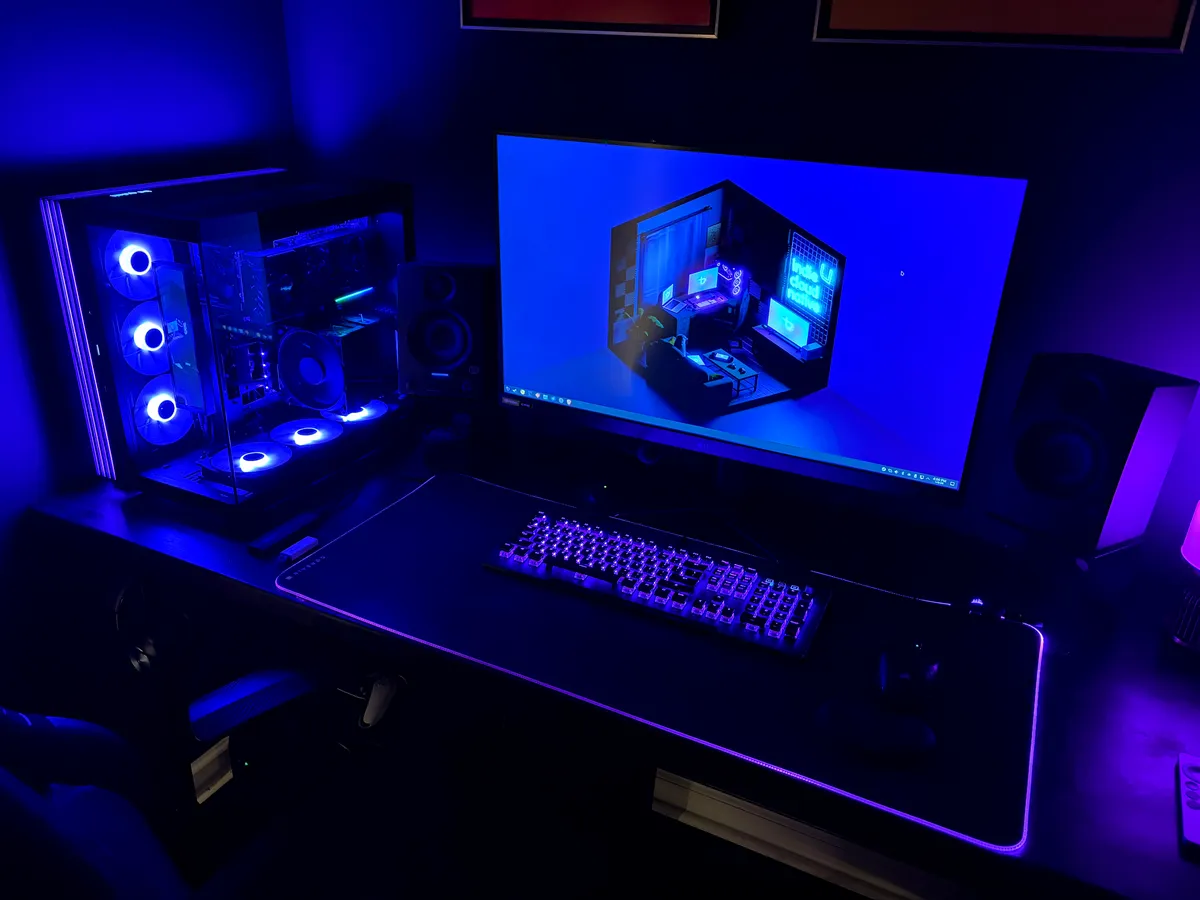
Today, Linux systems can support demanding gaming environments while offering greater control over system resources. Players can modify settings, remove unnecessary background processes, and optimize their devices according to their personal requirements. This level of customization makes Linux attractive for users who want maximum performance from their gaming machines.
The pblinuxtech approach focuses on understanding how open-source technology can influence gaming progress. By combining efficient software management with modern hardware capabilities, Linux gaming continues to develop into a competitive platform that provides unique advantages.
Key Tech Trends Transforming Linux Gaming
The future of Linux gaming depends on several emerging technologies that are improving speed, accessibility, and overall gameplay quality. These trends are helping create a more powerful gaming ecosystem.
Some major developments include:
- Artificial intelligence-based game optimization for better performance.
- Advanced graphics technologies for realistic visuals.
- Cloud gaming systems that reduce hardware limitations.
- Faster storage solutions for quicker loading times.
- Improved controller and peripheral compatibility.
- Energy-efficient gaming hardware designed for longer usage.
These innovations demonstrate how gaming technology is expanding beyond traditional improvements. Instead of focusing only on stronger processors and graphics cards, developers are now creating complete gaming experiences where hardware and software work together efficiently.
Artificial Intelligence and Smart Gaming Performance
Artificial intelligence is becoming one of the most influential technologies in gaming. AI tools can analyze system performance, adjust settings automatically, and improve resource management. This helps players achieve smoother gameplay without manually changing complex configurations.
For Linux gamers, AI-powered optimization can provide significant benefits. Smart systems can identify performance issues, recommend adjustments, and enhance the overall gaming environment. This technology is especially useful for users who want professional-level performance without spending hours modifying technical settings.
The growth of pblinuxtech trends shows that intelligent automation will play a major role in future gaming platforms. As AI continues to improve, Linux gaming environments may become more adaptive, allowing systems to automatically balance graphics quality, speed, and energy consumption.
Gaming Hardware Advancements Supporting Linux Platforms
Hardware development is another major factor influencing the future of gaming. Modern gaming devices are becoming faster, smaller, and more efficient. High-performance processors, advanced graphics units, and improved cooling systems are helping gamers achieve better results.
Linux users benefit from this hardware evolution because customizable operating systems allow them to maximize available resources. Whether using a desktop gaming setup, handheld gaming device, or compact gaming computer, Linux provides flexibility for different hardware configurations.
| Technology Area | Impact on Linux Gaming | Future Possibility |
|---|---|---|
| Graphics Processing | Better visual performance and smoother gameplay | More realistic gaming environments |
| Fast Storage | Reduced loading times and improved responsiveness | Instant game access |
| AI Optimization | Automatic system improvements | Smarter gaming management |
| Cloud Technology | Remote gaming possibilities | Gaming without expensive hardware |
| Open-Source Tools | Greater customization options | More user-controlled experiences |
The relationship between advanced hardware and Linux software creates opportunities for gamers who want reliable and personalized systems.
Cloud Gaming and Remote Play Evolution
Cloud gaming is changing how people access and enjoy games. Instead of depending entirely on powerful local machines, players can stream games through remote servers. This technology allows users with different hardware capabilities to experience high-quality gaming.
Linux platforms can benefit from cloud gaming because they are lightweight and adaptable. Users can combine efficient operating systems with online gaming services to create flexible entertainment setups. This trend is especially valuable for players who want access to modern games without frequently upgrading expensive hardware.
The development of pblinuxtech solutions reflects the importance of combining local performance with cloud-based convenience. Future gaming systems may rely on a balanced approach where personal devices and cloud infrastructure work together.
Open-Source Development and Gaming Communities
One of the biggest strengths of Linux gaming is the power of open-source communities. Developers, enthusiasts, and gamers collaborate to improve software, fix compatibility issues, and create innovative solutions.
Open-source development allows faster experimentation because ideas can be tested and improved by a global community. This creates an environment where gaming technology evolves through collaboration rather than depending only on large companies.
Community-driven projects also encourage better customization. Gamers can personalize interfaces, adjust system behavior, and create setups that match their specific preferences. This freedom is one reason Linux continues to attract technology-focused users.
Future Gaming Devices and Linux Compatibility
Gaming devices are becoming more diverse, with handheld consoles, compact computers, and hybrid systems gaining popularity. Linux compatibility provides opportunities for these devices because it can operate efficiently across different hardware designs.

Future gaming devices may focus on portability, energy efficiency, and personalization. Players may expect systems that provide console-like simplicity while maintaining computer-level flexibility.
Important future device trends include:
- Portable gaming computers with improved battery life.
- Lightweight gaming operating systems.
- Customizable gaming interfaces.
- Better support for wireless accessories.
- More efficient cooling technologies.
These developments suggest that Linux-based gaming environments will continue expanding into new areas.
Cybersecurity and Privacy in Gaming Technology
Security is becoming increasingly important as gaming systems become more connected. Online multiplayer games, digital stores, and cloud-based services require strong protection against cyber threats.
Linux has traditionally been recognized for its security-focused structure and user control. Many gamers appreciate the ability to manage permissions, monitor system activity, and customize security settings.
Future pblinuxtech advancements will likely focus on creating safer gaming environments where users can enjoy online experiences with improved privacy protection. Security tools, automatic updates, and better system monitoring will become essential parts of gaming technology.
How Linux Gaming Benefits Different Types of Players
Linux gaming technology is not limited to one specific audience. Different users can benefit from its flexibility and customization options.
Casual gamers can enjoy lightweight systems that run efficiently on everyday devices. Competitive players can optimize performance settings for faster response times. Developers can experiment with new gaming technologies and create innovative solutions.
The main advantages include:
- Better control over system resources.
- Customizable gaming environments.
- Reduced dependency on unnecessary software.
- Strong community support.
- Opportunities for experimentation and learning.
This wide range of benefits helps Linux maintain its position as an important part of the gaming technology landscape.
The Future Direction of Linux Gaming Trends
The future of Linux gaming looks promising as technology continues advancing. Improvements in artificial intelligence, hardware design, cloud computing, and open-source development will create new possibilities for gamers worldwide.
The next generation of gaming will likely focus on efficiency, personalization, and accessibility. Players will expect systems that automatically adapt to their needs while delivering powerful performance. Linux platforms are well-positioned to support these expectations because of their flexibility and innovation-focused ecosystem.
The continued growth of pblinuxtech trends indicates that gaming technology will become more connected, intelligent, and user-focused. As developers continue improving compatibility and performance, Linux gaming may become an even stronger alternative in the global gaming market.
Conclusion
Linux gaming is entering an exciting stage where technology, creativity, and customization come together. Modern advancements in AI, hardware, cloud gaming, and open-source development are creating new opportunities for players who want more control over their gaming experiences. The evolution of pblinuxtech demonstrates how Linux-based solutions can influence future gaming trends by providing efficient, adaptable, and innovative platforms. As technology continues moving forward, Linux gaming will likely become more accessible and powerful for users around the world. With continuous improvements in performance, security, and compatibility, the future of Linux gaming represents a new era where players have greater freedom to design and enjoy their ideal gaming environments.