
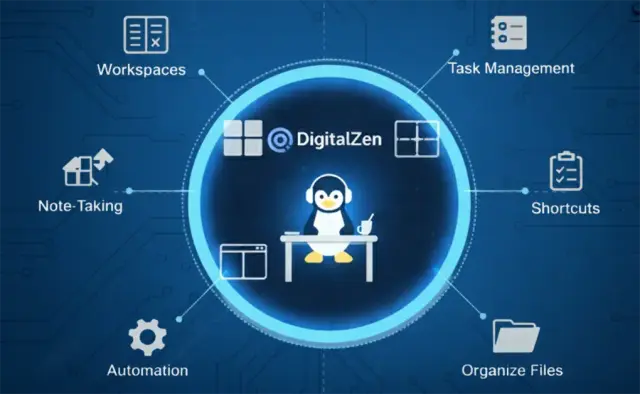

Linux continues to be one of the most reliable operating systems for developers, businesses, students, and technology enthusiasts. Its flexibility, stability, and security make it a preferred choice for everything from personal laptops to enterprise servers. However, getting the most from Linux requires more than simply installing a distribution. Learning practical techniques to optimize security, improve system speed, and streamline everyday tasks can significantly enhance your overall experience.
The latest pblinuxtech strategies focus on practical improvements that users of all experience levels can apply. Whether you use Ubuntu, Fedora, Debian, Arch, Linux Mint, or another distribution, these techniques help create a faster, safer, and more productive computing environment. By adopting modern maintenance practices and leveraging built-in Linux tools, users can enjoy consistent performance without relying on expensive software or complicated configurations.
Why Linux Remains the Best Choice for Modern Computing
Linux has earned a reputation for reliability because it gives users complete control over their systems. Unlike many proprietary operating systems, Linux allows customization at nearly every level. From choosing desktop environments to configuring kernels, users have the freedom to build systems tailored to their specific needs.
Another major advantage is security. Linux follows strict permission management, reducing the risk of malware infections. Frequent updates from open-source communities quickly patch vulnerabilities, making Linux an excellent platform for businesses and developers alike.
The growing pblinuxtech community continues sharing innovative optimization methods that improve usability while maintaining the operating system’s renowned stability. These practices help users maximize hardware performance regardless of whether they use new or older computers.
Keep Your System Updated for Better Security
Regular updates remain the simplest yet most effective way to protect any Linux installation. Updates not only introduce new features but also fix security vulnerabilities discovered by developers.

Updating your system offers several benefits:
- Security patches protect against emerging threats.
- Software compatibility improves across applications.
- Performance enhancements optimize resource usage.
- Hardware support expands through updated drivers.
- Stability increases with bug fixes.
Creating a routine update schedule prevents outdated packages from becoming security risks. Automated update notifications make maintenance easier while ensuring your computer stays protected.
Many users following pblinuxtech recommendations prioritize updates before installing additional software, creating a secure foundation for daily computing.
Optimize Startup Services for Faster Boot Times
Every Linux distribution launches multiple background services during startup. While many are necessary, others may consume memory and processor resources without providing noticeable benefits.
Reviewing startup applications helps identify unnecessary services. Disabling unused components reduces boot time while freeing valuable system resources for productive tasks.
Examples of services worth evaluating include:
- Bluetooth services when unused
- Printing services on systems without printers
- Legacy networking components
- Obsolete background monitoring utilities
Carefully reviewing enabled services can noticeably improve responsiveness, especially on older computers with limited hardware resources.
Strengthen User Account Security
User account protection remains one of the most overlooked areas of Linux administration. Although Linux already provides strong permission management, users can further enhance security through better authentication practices.
Consider implementing these recommendations:
- Create strong, unique passwords.
- Enable multi-factor authentication whenever possible.
- Avoid using root accounts for daily activities.
- Limit administrative privileges to trusted users.
- Lock inactive user accounts.
Following these habits minimizes opportunities for unauthorized access while protecting personal and professional information stored on Linux systems.
The growing pblinuxtech ecosystem frequently emphasizes user account management as one of the easiest ways to improve overall security.
Monitor System Resources Regularly
System monitoring helps detect performance bottlenecks before they become serious problems. Linux offers powerful built-in tools that provide detailed information about processor usage, memory consumption, disk activity, and running processes.
Regular monitoring helps identify:
- Memory leaks
- High CPU utilization
- Storage shortages
- Unnecessary background applications
- Hardware performance limitations
By recognizing unusual activity early, users can resolve issues before productivity suffers.
Linux Performance Monitoring Overview
| Monitoring Area | Purpose | Benefit |
|---|---|---|
| CPU Usage | Tracks processor workload | Prevents slowdowns |
| Memory Usage | Monitors RAM consumption | Improves multitasking |
| Disk Storage | Checks available space | Avoids storage failures |
| Running Processes | Identifies resource-heavy programs | Boosts efficiency |
| Network Activity | Observes bandwidth usage | Improves connection stability |
Improve File System Organization
An organized file structure saves time while improving productivity. Linux offers flexible directory management that helps users separate projects, backups, downloads, and personal files efficiently.
Helpful organization habits include:
- Creating project-specific folders
- Removing temporary files regularly
- Archiving completed work
- Maintaining logical directory structures
- Using descriptive file names
Good organization also simplifies automated backups and reduces unnecessary storage consumption.
The practical workflow encouraged by pblinuxtech promotes consistent organization as a long-term productivity strategy.
Use Terminal Commands Efficiently
The Linux terminal remains one of its greatest strengths. Learning frequently used commands dramatically increases efficiency while reducing dependence on graphical interfaces.
Useful productivity habits include memorizing navigation shortcuts, command history, tab completion, and shell aliases. These features eliminate repetitive typing and accelerate common administrative tasks.
Power users often automate repetitive operations using shell scripts, allowing multiple commands to execute automatically. This saves time while minimizing human error.
Even beginners benefit from gradually learning terminal basics, as command-line tools often provide faster solutions than graphical alternatives.
Manage Storage Space Proactively
Insufficient storage affects both performance and system stability. Linux systems accumulate logs, package caches, temporary files, and obsolete software over time.
Regular cleanup includes:
- Removing unused packages
- Clearing package caches
- Deleting temporary files
- Cleaning old log files
- Eliminating duplicate downloads
These maintenance activities improve available storage while helping applications run more efficiently.
Many experienced pblinuxtech users schedule monthly storage maintenance to keep systems operating smoothly throughout the year.
Protect Important Data with Reliable Backups
Hardware failures, accidental deletions, and software issues can occur unexpectedly. Regular backups ensure valuable information remains recoverable regardless of system failures.
A comprehensive backup strategy includes:
- Personal documents
- Configuration files
- Development projects
- System settings
- Database exports
Maintaining multiple backup copies across separate storage devices provides additional protection against hardware failures.
Automation further simplifies backup routines by reducing the risk of forgotten backup schedules.
Customize Your Linux Desktop for Productivity
One of Linux’s greatest advantages is desktop customization. Users can modify nearly every visual and functional component to suit personal preferences.
Productivity improvements may include:
- Keyboard shortcuts
- Multiple workspaces
- Dock customization
- Efficient window management
- Notification control
Small interface adjustments often reduce repetitive actions throughout the workday, leading to measurable productivity gains over time.
The flexibility highlighted within pblinuxtech demonstrates how personalization contributes directly to a more efficient workflow.
Secure Network Connections
Internet security extends beyond strong passwords. Linux users should also secure network communication by following best practices.
Recommended measures include:
- Enable firewalls
- Disable unused network ports
- Use secure remote connections
- Keep networking software updated
- Monitor unusual network activity
These precautions significantly reduce exposure to external attacks while maintaining stable online connectivity.
Organizations relying on Linux servers often combine these practices with continuous monitoring to strengthen their cybersecurity posture.
Automate Repetitive Tasks
Automation transforms Linux into a highly efficient operating system. Rather than performing identical tasks manually, users can schedule recurring jobs and create scripts that complete them automatically.
Common automation examples include:
- Scheduled backups
- Log rotation
- System updates
- File synchronization
- Report generation
Automation reduces manual workload while improving consistency across repetitive operations.
Learning basic scripting gradually opens opportunities for advanced workflow optimization regardless of technical experience.
Balance Security with Performance
Many users mistakenly assume maximum security always reduces system performance. In reality, Linux allows administrators to balance both through careful configuration.
Keeping only necessary services active, updating software regularly, monitoring resources, and maintaining clean storage creates a secure environment without sacrificing speed.
Modern Linux distributions are designed to perform efficiently even with robust security settings enabled. Proper optimization focuses on eliminating unnecessary resource consumption rather than disabling important protective features.
The balanced approach promoted throughout pblinuxtech helps users enjoy responsive systems while maintaining strong protection against evolving cybersecurity threats.
Conclusion
Linux remains one of the most powerful operating systems available because it combines flexibility, reliability, security, and outstanding performance. However, achieving the best experience requires consistent maintenance and thoughtful optimization. Regular updates, organized storage, efficient terminal usage, proactive monitoring, secure account management, automated workflows, and customized desktop environments all contribute to a faster and more productive system. Applying these practical techniques enables users to maximize both hardware capabilities and daily efficiency. Whether managing a personal workstation, development environment, or enterprise server, these proven strategies create a dependable computing experience that continues improving over time. By following the latest pblinuxtech recommendations and maintaining disciplined system management habits, Linux users can enjoy enhanced security, stronger performance, and greater productivity for years to come.