


Programming has become one of the most valuable skills in today’s digital world. Whether you are interested in web development, mobile applications, artificial intelligence, cybersecurity, or cloud computing, learning programming opens countless opportunities. However, becoming a skilled developer requires more than simply memorizing syntax. It involves understanding concepts, practicing regularly, solving real-world problems, and using the right learning resources. pblinuxtech provides a practical approach to discovering programming materials that help learners progress from beginners to confident developers. By selecting quality resources and maintaining consistency, programmers can build stronger foundations while adapting to rapidly changing technologies. This guide explores the essential programming resources every developer should use to improve coding efficiency, strengthen problem-solving skills, and remain competitive in the modern software industry.
Why Choosing the Right Programming Resources Matters
Learning programming without proper guidance often leads to confusion and frustration. Many beginners jump between multiple tutorials without completing a single learning path. A structured approach helps learners understand programming fundamentals before moving toward advanced topics.
Using reliable resources allows programmers to learn best practices, write cleaner code, and avoid common mistakes. Instead of spending hours searching for scattered information, organized materials provide step-by-step explanations that build confidence. pblinuxtech encourages developers to combine theory with practical coding exercises, making knowledge easier to retain.
The programming industry evolves rapidly. New frameworks, programming languages, and development tools appear every year. Staying updated with trusted educational resources ensures developers continue improving their technical expertise while adapting to industry changes.
Essential Categories of Programming Resources
Different resources serve different learning purposes. Combining multiple learning methods creates a balanced programming education.
| Resource Type | Primary Purpose | Best For |
|---|---|---|
| Documentation | Learning official features | Beginners and professionals |
| Video Tutorials | Visual demonstrations | Visual learners |
| Coding Practice Platforms | Problem-solving | Skill improvement |
| Programming Books | In-depth understanding | Long-term learning |
| Open Source Projects | Practical experience | Intermediate developers |
| Developer Communities | Collaboration and support | All experience levels |
| Development Tools | Productivity | Daily programming |
Each category strengthens different aspects of software development while complementing other learning methods.
Understanding Official Documentation
Official documentation remains one of the most valuable resources for programmers. Although many beginners initially find documentation difficult to understand, it eventually becomes the fastest way to learn new technologies.
Documentation explains language syntax, functions, libraries, installation processes, configuration settings, and advanced features directly from developers who built the technology. Reading documentation also improves technical reading skills and encourages independent problem-solving.
Developers who rely on documentation become less dependent on tutorials because they learn how to research solutions efficiently. pblinuxtech emphasizes building this habit early since professional developers frequently reference documentation during daily work rather than memorizing every programming function.
Programming Books Build Strong Foundations
Books remain highly effective despite the popularity of online tutorials. Well-written programming books explain concepts in greater depth than short videos. Instead of focusing only on how code works, they explain why particular programming techniques exist.
Reading books helps developers understand programming principles such as object-oriented programming, algorithms, data structures, software architecture, and clean coding practices. These concepts remain valuable regardless of changing technologies.
Books also encourage uninterrupted learning. Without distractions from advertisements or notifications, readers can focus on understanding concepts thoroughly before implementing them in projects.
Interactive Coding Practice Platforms
Programming is impossible to master without regular practice. Reading tutorials alone cannot develop logical thinking or debugging abilities. Coding platforms provide structured exercises that gradually increase in difficulty.

Practice websites often include challenges involving loops, arrays, recursion, sorting, searching, dynamic programming, and mathematical algorithms. Solving these exercises strengthens analytical thinking while improving coding speed.
pblinuxtech recommends dedicating daily time to coding practice because consistent repetition helps transform theoretical knowledge into practical programming skills. Over time, developers recognize common patterns and solve increasingly complex problems with confidence.
Benefits of Daily Coding Practice
- Improves logical reasoning
- Builds debugging confidence
- Increases coding speed
- Strengthens algorithm knowledge
- Enhances interview preparation
- Develops problem-solving habits
Small daily improvements accumulate into significant long-term programming expertise.
Building Real Projects Accelerates Learning
One of the fastest ways to improve programming skills is by creating practical projects. Real applications expose developers to challenges that tutorials rarely cover.
Projects teach file organization, version control, testing, debugging, deployment, optimization, and software maintenance. Developers also learn how different technologies interact within complete systems.
Examples include:
- Personal portfolio websites
- Task management applications
- Weather dashboards
- Expense trackers
- Blogging platforms
- Inventory systems
- Chat applications
- API-based applications
Creating projects demonstrates practical knowledge while building a professional portfolio for future career opportunities.
Open Source Contributions Improve Professional Skills
Open source software provides an excellent environment for learning collaborative development. Instead of working alone, contributors review existing code, understand project architecture, fix bugs, improve documentation, and add new features.
Participating in collaborative development introduces programmers to professional workflows such as version control, pull requests, issue tracking, code reviews, and team communication.
Even small contributions help developers gain confidence while learning industry-standard development practices. pblinuxtech encourages programmers to begin with documentation improvements before contributing more advanced code changes.
Developer Communities Encourage Continuous Learning
Programming can sometimes feel overwhelming, especially when facing difficult bugs or unfamiliar technologies. Developer communities provide valuable opportunities to ask questions, exchange ideas, and learn from experienced programmers.
Participating in technical discussions exposes developers to different coding approaches and software design philosophies. Reading others’ solutions often introduces better optimization techniques and cleaner programming styles.
Communities also motivate continuous learning because members frequently discuss new programming trends, frameworks, security practices, and development tools.
Development Tools Every Programmer Should Master
Programming productivity depends heavily on choosing efficient development tools. Modern software development involves much more than writing source code.
Important tools include:
- Code editors
- Integrated Development Environments (IDEs)
- Version control systems
- Package managers
- Debugging tools
- Build automation software
- Testing frameworks
- Container technologies
Learning these tools significantly improves workflow efficiency while reducing repetitive manual tasks. Developers who master professional tools complete projects faster with fewer errors.
Version Control Is a Must-Have Skill
Version control helps programmers manage source code changes safely. Instead of manually copying project folders, developers can track modifications, restore previous versions, and collaborate efficiently.
Understanding version control is essential for both individual programmers and software teams. It simplifies collaboration, prevents accidental code loss, and supports organized development workflows.
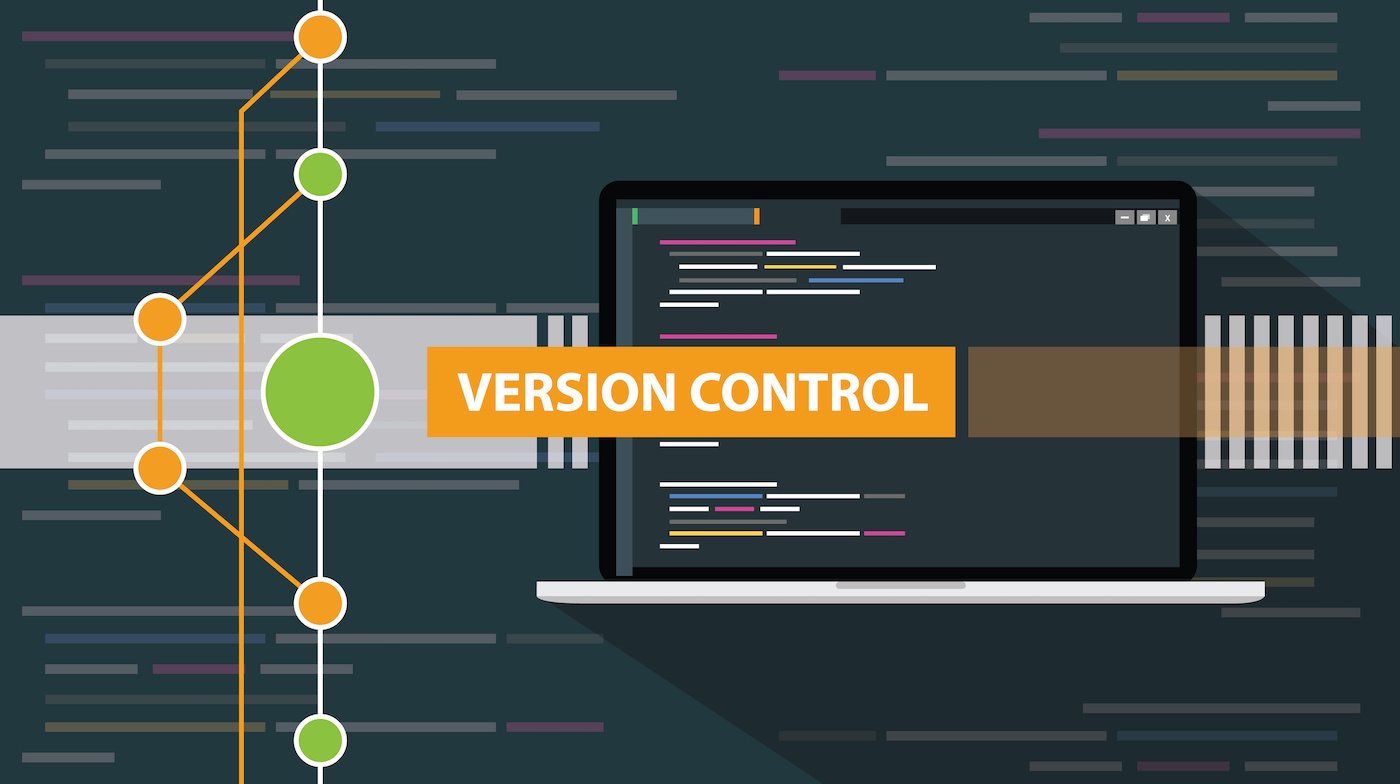
pblinuxtech highlights version control as one of the most valuable professional skills because nearly every software company relies on collaborative code management.
Learning Algorithms and Data Structures
Many programmers focus heavily on frameworks while neglecting core computer science concepts. Algorithms and data structures remain essential because they improve problem-solving abilities regardless of programming language.
Important topics include:
- Arrays
- Linked Lists
- Trees
- Graphs
- Queues
- Stacks
- Hash Tables
- Sorting Algorithms
- Searching Algorithms
- Dynamic Programming
Mastering these concepts improves application performance while preparing developers for technical interviews and advanced software engineering roles.
Practice Debugging Instead of Memorizing Code
Every programmer encounters bugs regardless of experience level. Successful developers spend less time memorizing syntax and more time understanding how to identify problems logically.
Debugging teaches patience, systematic thinking, and careful code analysis. Reading error messages, inspecting variables, testing assumptions, and isolating issues become easier with experience.
Instead of fearing mistakes, developers should treat debugging as an essential learning process that strengthens programming knowledge and builds confidence.
Create a Consistent Learning Routine
Consistency matters more than studying for long hours occasionally. A realistic learning schedule helps programmers retain information while avoiding burnout.
An effective weekly routine might include learning new concepts, practicing coding challenges, building projects, reviewing documentation, reading technical books, and revisiting previous lessons.
pblinuxtech recommends balancing theoretical study with practical implementation because coding skills improve primarily through repeated application rather than passive reading.
Keep Learning Emerging Technologies
Technology evolves continuously. Developers who remain curious stay competitive throughout their careers. Exploring new programming languages, cloud services, artificial intelligence, cybersecurity, DevOps, blockchain, and automation broadens technical understanding.
Continuous learning does not require mastering every new technology immediately. Instead, developers should focus on understanding industry trends while strengthening programming fundamentals that remain relevant across different platforms.
Curiosity combined with disciplined practice creates long-term career growth and opens opportunities across multiple technology domains.
Conclusion
Programming success is built through consistent learning, practical experience, and the intelligent use of quality educational resources. Books, official documentation, coding challenges, open source projects, developer communities, and real-world applications each contribute unique benefits that strengthen programming abilities. Rather than relying on a single learning method, combining multiple resources creates a balanced and sustainable development journey. pblinuxtech encourages programmers to focus on continuous improvement, disciplined practice, and lifelong learning instead of chasing shortcuts. As technologies continue evolving, developers who strengthen their fundamentals while embracing new tools and techniques will remain adaptable, productive, and ready for future opportunities. By choosing the right programming resources and maintaining consistent effort, anyone can steadily transform from a beginner into a confident and capable software developer.