
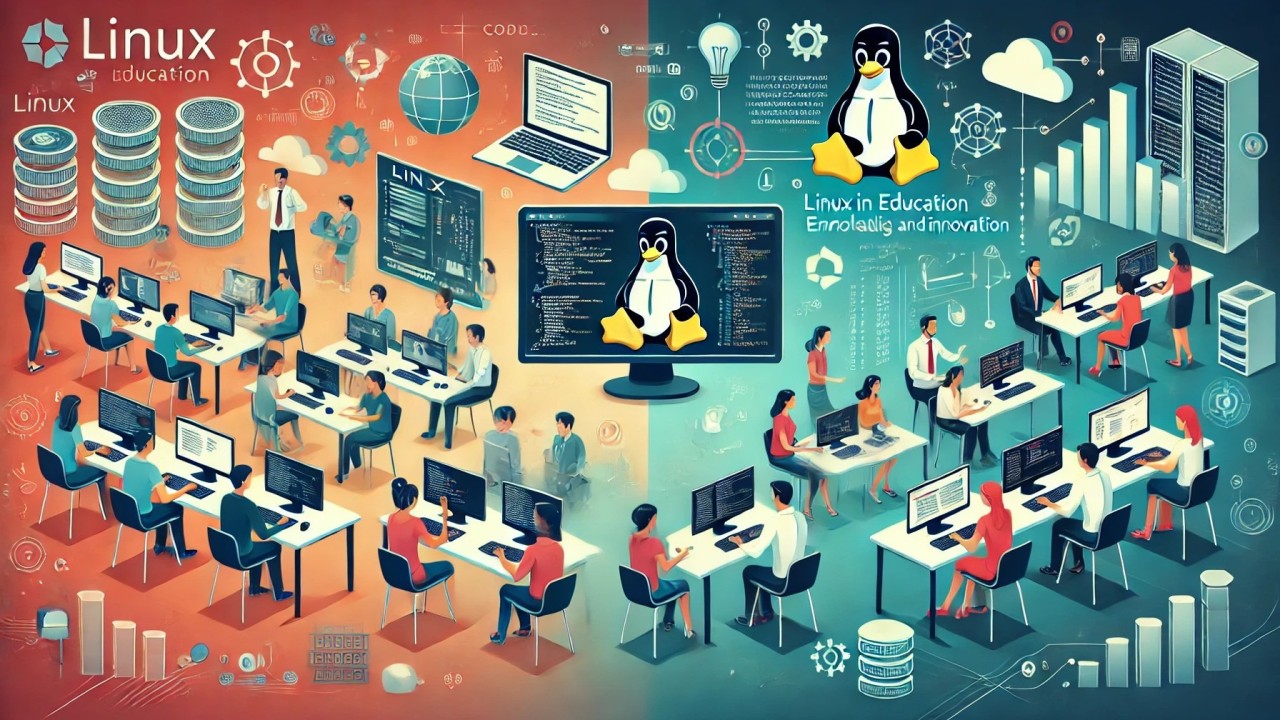

Technology is evolving faster than ever before, and Linux continues to play a central role in powering innovation across industries. From cloud computing and cybersecurity to artificial intelligence and edge computing, Linux-based systems remain the preferred choice for developers, enterprises, and technology enthusiasts. Keeping up with future technology updates is no longer optional for those who rely on Linux for work or personal projects. Staying informed allows users to improve performance, strengthen security, and prepare for emerging technologies before they become mainstream. pblinuxtech serves as a valuable source of knowledge for those looking to understand the latest developments shaping the Linux ecosystem. Whether someone is a beginner learning command-line basics or an experienced administrator managing enterprise servers, following technology trends helps build stronger technical skills and smarter decision-making. As innovation continues accelerating, Linux users who remain updated will enjoy better opportunities, improved productivity, and greater confidence in adapting to future digital challenges.
The Evolution of Linux in Modern Computing
Linux has transformed significantly over the past decade. Initially recognized as an operating system mainly used by developers and system administrators, it has now become the backbone of cloud infrastructure, embedded devices, smart appliances, and enterprise applications. Organizations increasingly depend on Linux because of its stability, flexibility, and open-source nature.
Modern Linux distributions now offer user-friendly interfaces, simplified software management, and enhanced hardware compatibility. Businesses benefit from reduced licensing costs while developers appreciate complete customization options. Open-source communities continue contributing thousands of improvements each year, making Linux stronger and more reliable.
The rapid evolution of Linux also supports emerging technologies including automation, virtualization, and distributed computing. These advancements ensure Linux remains relevant in an increasingly competitive technology landscape while encouraging continuous innovation across different industries.
How Artificial Intelligence Is Changing Linux
Artificial intelligence has become one of the biggest technological shifts in recent years. Linux provides an ideal environment for AI development because of its flexibility, security, and extensive programming support. Machine learning frameworks, data science libraries, and GPU optimization tools perform exceptionally well on Linux systems.
Developers working with AI often choose Linux because it offers:
- Better performance for computational workloads
- Easy access to development libraries
- Stable server environments
- Efficient automation capabilities
- Strong community-driven support
As AI applications continue expanding into healthcare, finance, education, and manufacturing, Linux will remain the preferred platform for experimentation and production deployment. Learning how AI integrates with Linux prepares users for future career opportunities and technological advancements.
Cloud Computing Continues Driving Linux Growth
Cloud computing has revolutionized how organizations deploy applications and manage digital infrastructure. The majority of cloud platforms rely heavily on Linux because it delivers outstanding stability and resource efficiency.
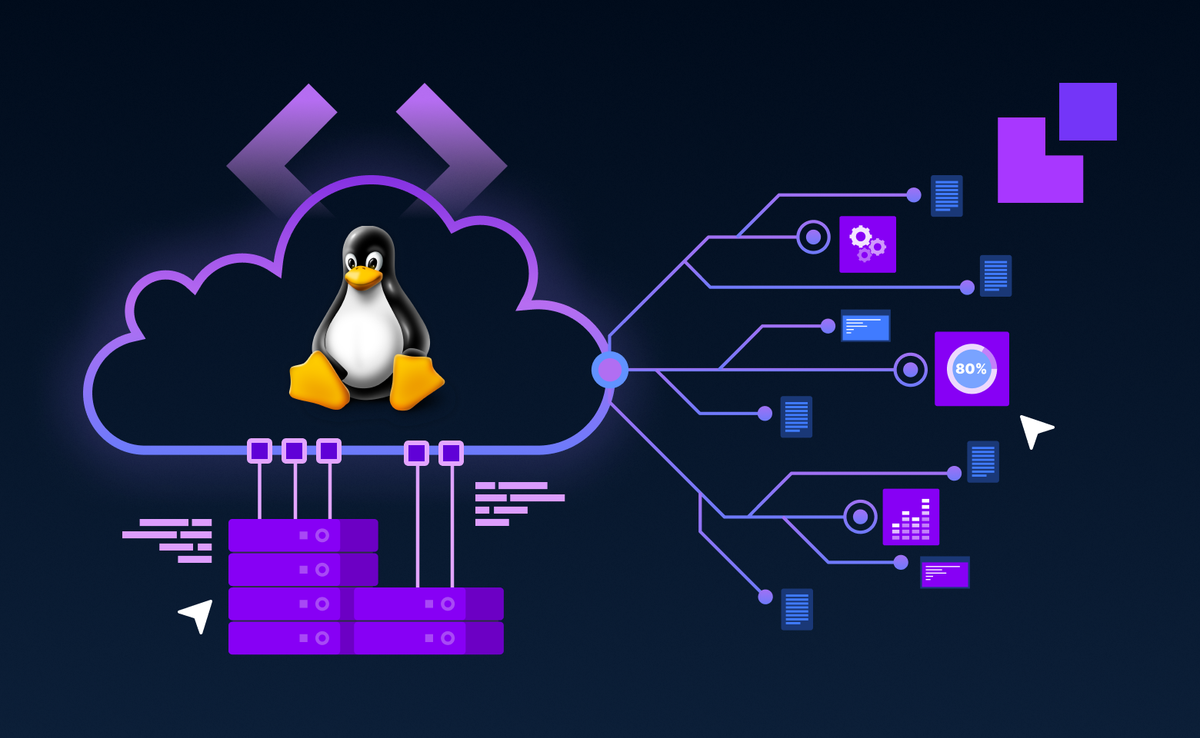
Businesses migrating to cloud environments often choose Linux servers due to their scalability and lower operational costs. Container technologies, virtualization platforms, and orchestration tools work seamlessly within Linux environments, enabling companies to build highly flexible infrastructures.
pblinuxtech regularly highlights cloud-related innovations that help Linux users understand deployment strategies, infrastructure management, and performance optimization. As hybrid and multi-cloud environments become increasingly common, Linux knowledge becomes even more valuable for IT professionals.
Emerging Cybersecurity Innovations
Cybersecurity threats evolve constantly, making system protection a top priority. Linux has earned a reputation for strong security architecture, but future updates continue introducing even more advanced protection mechanisms.
Important Security Trends
| Technology Trend | Benefit for Linux Users |
|---|---|
| AI Threat Detection | Faster malware identification |
| Zero Trust Security | Stronger authentication systems |
| Automated Security Updates | Reduced vulnerabilities |
| Container Isolation | Better application protection |
| Secure Boot Improvements | Enhanced startup security |
| Encryption Advancements | Stronger data privacy |
These innovations enable administrators to protect systems more effectively while minimizing downtime and reducing security risks across enterprise environments.
The Rise of Edge Computing
Edge computing processes information closer to where data is generated instead of relying entirely on centralized servers. Linux plays an essential role because it can operate efficiently on lightweight hardware while maintaining excellent reliability.
Industries adopting edge computing include manufacturing, healthcare, transportation, agriculture, and smart cities. Linux-powered devices collect, analyze, and process information with minimal latency, improving operational efficiency.
Future improvements will enhance hardware optimization, security, and real-time processing capabilities. Linux users who understand edge computing concepts position themselves well for rapidly growing technology careers.
Open Source Collaboration Will Continue Expanding
The strength of Linux comes from its open-source community. Thousands of contributors worldwide continuously improve software quality, security, documentation, and compatibility. This collaborative approach accelerates innovation while ensuring transparency.
Open-source development encourages:
- Faster software improvements
- Community-driven bug fixes
- Better documentation
- Increased software reliability
- Greater transparency
- Continuous learning opportunities
As more organizations embrace open-source technologies, collaboration becomes increasingly valuable. Developers gain practical experience while organizations benefit from faster innovation cycles and improved software quality.
Automation Is Becoming Essential
Automation continues transforming IT operations. Linux administrators increasingly rely on scripts and automation tools to manage servers, deploy applications, monitor infrastructure, and perform routine maintenance.
Automation reduces repetitive manual tasks while improving consistency and minimizing human error. Future Linux environments will include smarter automation powered by artificial intelligence, predictive maintenance, and intelligent monitoring systems.
Learning shell scripting, configuration management, and automated deployment techniques allows professionals to manage larger infrastructures efficiently while saving valuable time.
Containers and Virtualization Shape Modern Infrastructure
Containers have changed software deployment by allowing applications to run consistently across different environments. Linux provides the ideal foundation for container technologies because of its lightweight architecture and resource efficiency.
Virtualization also continues evolving, enabling businesses to maximize hardware utilization while reducing operational expenses. Organizations increasingly combine containers with virtual machines to achieve flexible, scalable infrastructures.
Future developments will focus on:
- Faster deployment processes
- Improved resource optimization
- Enhanced security isolation
- Better workload portability
- Simplified infrastructure management
Understanding these technologies ensures Linux users remain prepared for enterprise computing environments.
Linux Desktop Experience Keeps Improving
While Linux dominates servers, desktop distributions continue receiving significant improvements. Developers are creating more polished interfaces, better driver compatibility, and enhanced application ecosystems.
Modern Linux desktops provide excellent performance for software development, content creation, office productivity, and educational purposes. Hardware compatibility continues improving, making Linux a realistic alternative for many personal computer users.
The future promises smoother installation experiences, stronger gaming support, better multimedia performance, and more intuitive user interfaces that attract both beginners and experienced users alike.
Programming Languages Driving Linux Innovation
Linux supports virtually every major programming language. Developers building future applications often rely on Linux because it offers excellent compiler support, package management, and development tools.
Popular languages include Python, Rust, Go, C++, Java, and JavaScript. Each language contributes to different areas including system programming, artificial intelligence, cloud services, cybersecurity, and web development.
Following programming trends helps Linux users choose valuable skills aligned with industry demand while improving software development efficiency and career prospects.
Career Opportunities Continue Expanding
As businesses accelerate digital transformation, demand for Linux professionals continues increasing across multiple industries. Employers seek individuals with expertise in cloud computing, DevOps, cybersecurity, automation, containerization, and infrastructure management.
Professionals who continuously update their Linux knowledge often qualify for roles such as:
- Linux System Administrator
- DevOps Engineer
- Cloud Engineer
- Cybersecurity Specialist
- Site Reliability Engineer
- Infrastructure Architect
- Platform Engineer
Learning future technologies alongside practical Linux experience creates stronger career opportunities in both startups and large enterprises. pblinuxtech helps readers remain informed about these evolving technology directions while encouraging continuous professional development.
Preparing for Tomorrow’s Linux Ecosystem
Technology never remains static. Linux users who actively learn new tools, experiment with emerging software, and follow industry developments gain long-term advantages. Future innovations will combine artificial intelligence, cloud computing, automation, cybersecurity, quantum computing research, and advanced networking technologies into increasingly connected ecosystems.
To stay prepared, users should build strong foundational Linux skills while exploring specialized technologies that align with personal interests and career goals. Continuous learning remains the most effective strategy for adapting to future technological changes.
By regularly exploring educational resources, practicing real-world projects, and staying informed about industry trends, Linux users can confidently navigate tomorrow’s rapidly evolving digital landscape.
Conclusion
The future of Linux is filled with exciting opportunities driven by innovation, collaboration, and technological advancement. Artificial intelligence, cloud computing, cybersecurity, edge computing, automation, and containerization are transforming how organizations build and manage digital infrastructure. Staying informed about these developments helps Linux users improve technical expertise, increase productivity, and remain competitive in a rapidly changing industry. Whether you are beginning your Linux journey or already possess years of experience, following reliable technology insights can significantly enhance your understanding of emerging trends. pblinuxtech provides valuable perspectives that help users stay current with industry developments while encouraging continuous learning. As Linux continues powering the world’s most important technologies, embracing future updates through pblinuxtech ensures users remain prepared for the next generation of innovation and digital transformation.