


Artificial intelligence and Linux have become two of the most influential forces driving modern technology. Together, they are reshaping industries by improving automation, strengthening cybersecurity, enhancing cloud computing, and accelerating software development. Businesses, developers, and technology enthusiasts are embracing these innovations to solve complex challenges more efficiently than ever before. As organizations increasingly rely on open-source platforms and intelligent systems, understanding the latest developments becomes essential for staying competitive. The growing popularity of trendspblinuxtech reflects the demand for reliable insights into emerging technologies, Linux advancements, and AI-powered solutions. Whether managing enterprise servers, developing applications, or experimenting with machine learning, today’s innovations provide opportunities that were unimaginable only a few years ago. This article explores how AI and Linux continue transforming technology, highlights current trends, explains practical applications, and examines what the future may hold for individuals and organizations adopting these powerful technologies.
Why AI and Linux Form the Perfect Technology Partnership
Artificial intelligence depends on reliable, scalable, and efficient operating systems to process massive datasets and perform complex calculations. Linux has become the preferred operating system for AI researchers because of its flexibility, stability, and open-source nature. Most cloud providers, data centers, and supercomputers rely on Linux due to its exceptional performance and customization capabilities. AI frameworks integrate seamlessly with Linux, enabling developers to optimize hardware resources while reducing operational costs. This combination allows companies to build intelligent applications for healthcare, finance, education, manufacturing, and transportation.
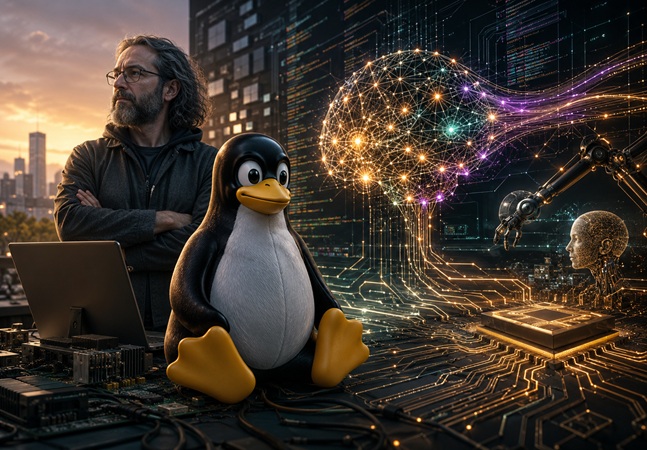
Professionals following trendspblinuxtech recognize that Linux provides the infrastructure necessary for advanced AI models to operate efficiently. Continuous improvements in kernel performance, containerization, virtualization, and hardware compatibility make Linux even more attractive for machine learning workloads. As organizations continue investing in digital transformation, AI and Linux together create an ecosystem that supports innovation, security, and long-term technological growth.
Major AI Innovations Transforming Industries
Artificial intelligence has expanded far beyond simple automation. Modern AI systems can analyze images, understand human language, predict outcomes, and assist in making business decisions. Organizations across different industries now rely on intelligent software to improve productivity while minimizing repetitive tasks.
Some of the biggest AI innovations include:
- Generative AI for content creation
- AI-powered cybersecurity monitoring
- Intelligent healthcare diagnostics
- Autonomous industrial automation
- Smart customer service assistants
- Predictive maintenance in manufacturing
- AI-driven financial analysis
- Personalized educational platforms
These technologies continuously improve through machine learning, allowing systems to become more accurate with additional data. Businesses adopting AI gain faster decision-making capabilities while reducing operational expenses. According to many technology professionals monitoring trendspblinuxtech, organizations that integrate AI early often achieve stronger competitiveness within their industries because automation improves efficiency and customer satisfaction simultaneously.
Linux Innovations Driving Modern Computing
Linux has experienced remarkable innovation over the past decade. Developers worldwide contribute improvements that strengthen performance, security, compatibility, and scalability. Modern Linux distributions support advanced workloads ranging from embedded systems to enterprise cloud environments.
Important Linux innovations include:
| Innovation | Primary Benefit | Real-World Impact |
|---|---|---|
| Improved Kernel Performance | Faster processing | Better server efficiency |
| Container Technology | Application isolation | Easier deployment |
| Enhanced Security Modules | Better protection | Reduced cyber threats |
| Cloud Integration | Greater scalability | Enterprise flexibility |
| AI Hardware Support | Optimized computing | Faster machine learning |
| Edge Computing Support | Low-latency processing | Smarter IoT devices |
These innovations enable organizations to deploy applications efficiently while maintaining high levels of stability. The open-source development model ensures continuous improvements without vendor lock-in, making Linux attractive for startups and multinational enterprises alike.
How AI Is Enhancing Linux Administration
System administration has traditionally required significant manual effort. Artificial intelligence now assists administrators by identifying problems before they become critical, reducing downtime, and improving infrastructure reliability. AI-powered monitoring platforms analyze server logs, detect unusual behavior, and recommend corrective actions automatically.
Instead of manually reviewing thousands of performance metrics, administrators receive intelligent recommendations based on historical patterns. Automated resource allocation allows cloud servers to adjust computing power dynamically according to workload demands. Predictive maintenance also helps organizations replace failing hardware before unexpected outages occur. Through developments highlighted by trendspblinuxtech, Linux administrators increasingly benefit from intelligent automation that improves operational efficiency while reducing human error. These innovations save valuable time, allowing IT teams to focus on strategic improvements instead of repetitive maintenance tasks.
Open-Source AI Is Accelerating Innovation
One of the strongest advantages of Linux is its open-source philosophy, which perfectly complements the collaborative development of artificial intelligence. Developers worldwide contribute improvements, fix bugs, optimize algorithms, and create powerful AI frameworks that anyone can use.
Popular open-source AI ecosystems encourage rapid experimentation by providing:
- Flexible development environments
- Community-driven improvements
- Lower software costs
- Faster innovation cycles
- Extensive documentation
- Hardware compatibility
- Cross-platform deployment
Because organizations can customize solutions according to their unique requirements, open-source AI continues growing rapidly across industries. The collaborative model accelerates research while ensuring transparency and continuous innovation for businesses of every size.
Cybersecurity Benefits of AI and Linux
Cybersecurity threats continue becoming more sophisticated each year. Artificial intelligence significantly strengthens Linux security by analyzing enormous amounts of system data to detect suspicious activity within seconds. Unlike traditional security tools that rely mainly on predefined rules, AI systems identify abnormal behavior even when encountering previously unseen attack methods.

Linux already provides robust security through permission management, secure networking, and frequent updates. AI enhances these strengths by introducing intelligent threat detection, behavioral analysis, automated incident response, and vulnerability prediction. Professionals following trendspblinuxtech appreciate how AI reduces response times while minimizing false security alerts. Organizations combining Linux security with AI-powered monitoring build stronger defenses against ransomware, phishing campaigns, insider threats, and network intrusions.
Cloud Computing and AI Integration
Cloud computing has become the foundation of digital transformation, and Linux dominates most cloud infrastructures worldwide. Artificial intelligence further enhances cloud environments by automating workload management, improving resource allocation, and optimizing operational costs.
Cloud providers increasingly offer AI services that simplify machine learning deployment without requiring organizations to build expensive infrastructure. Linux containers enable applications to run consistently across different environments, while AI manages scaling based on demand. This combination improves availability, reduces downtime, and maximizes computing efficiency. Businesses leveraging insights from trendspblinuxtech recognize that cloud-native AI solutions enable faster innovation while lowering infrastructure complexity and maintenance expenses.
The Role of Linux in AI Research
Researchers developing advanced artificial intelligence models often choose Linux because it provides unmatched flexibility and compatibility with scientific computing tools. High-performance computing clusters, supercomputers, and research laboratories depend heavily on Linux for intensive computational tasks.
Linux supports specialized programming languages, parallel computing, GPU acceleration, and distributed machine learning environments. These capabilities allow researchers to train increasingly sophisticated neural networks while maintaining precise control over system resources. Universities, research institutions, and technology companies continue investing heavily in Linux-based AI platforms because they offer scalability, customization, and long-term reliability. As discussed throughout trendspblinuxtech, Linux remains the operating system of choice for cutting-edge AI innovation.
Emerging Trends Shaping the Future
Technology evolves rapidly, and several emerging trends indicate where AI and Linux are heading over the next few years. Businesses preparing today will be better positioned to adopt future innovations.
Some important trends include:
- AI-powered operating system optimization
- Smarter edge computing devices
- Advanced robotics automation
- More efficient AI processors
- Intelligent software development assistants
- Sustainable green computing
- Autonomous cybersecurity systems
- Enhanced privacy-preserving AI
These innovations promise faster computing, greater automation, improved sustainability, and stronger digital security. Organizations embracing these technologies early will likely experience improved productivity and stronger competitive advantages.
Challenges That Still Need Attention
Despite impressive progress, AI and Linux adoption presents several challenges. Organizations must invest in employee training, cybersecurity awareness, infrastructure modernization, and responsible AI governance. Ethical concerns surrounding AI decision-making continue receiving significant attention from governments and technology leaders.
Linux environments also require experienced administrators capable of configuring secure systems and maintaining software updates. AI algorithms depend on high-quality data, making data management a critical success factor. Following balanced perspectives shared through trendspblinuxtech, businesses should combine technological innovation with responsible implementation strategies to maximize long-term value while minimizing operational risks.
Conclusion
Artificial intelligence and Linux continue transforming nearly every aspect of modern technology. Together, they create a powerful ecosystem supporting innovation, scalability, security, automation, and digital transformation across countless industries. From intelligent cloud infrastructure to advanced cybersecurity and scientific research, their combined capabilities continue expanding at an extraordinary pace. Organizations that embrace these technologies gain improved efficiency, stronger resilience, and greater opportunities for innovation. As AI algorithms become increasingly sophisticated and Linux continues evolving through open-source collaboration, the future promises even more remarkable advancements. Staying informed through trendspblinuxtech helps professionals, developers, and businesses understand these changes and prepare for tomorrow’s technological landscape. By adopting AI responsibly while leveraging Linux’s flexibility and reliability, organizations can build smarter systems, deliver better user experiences, and remain competitive in an increasingly technology-driven world.