
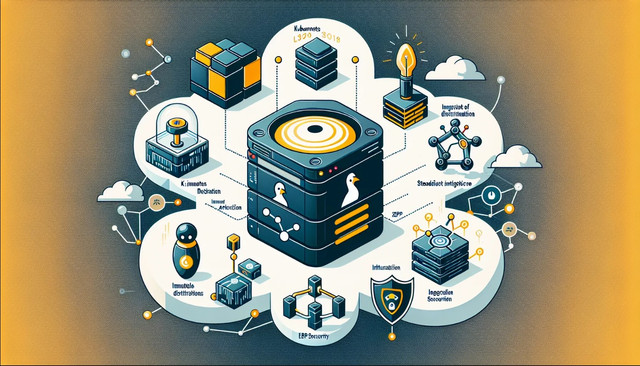

Linux continues to shape the future of computing by offering flexibility, security, and performance across countless industries. From powering enterprise servers and cloud platforms to running embedded devices and personal computers, Linux remains one of the most reliable operating systems available. Developers, IT professionals, students, and businesses rely on Linux because it provides complete control, exceptional customization, and a thriving open-source ecosystem. Keeping up with new distributions, security improvements, kernel enhancements, and productivity tools can be challenging without trustworthy guidance. That is where trendspblinuxtech becomes valuable by bringing together practical knowledge, technology updates, and expert insights in one place. Whether you are just starting your Linux journey or already managing complex environments, understanding the latest trends can improve your efficiency and technical skills. This guide explores the newest Linux developments, useful productivity tips, security practices, and expert recommendations that help users stay ahead in an ever-changing technology landscape.
Why Linux Continues to Lead Modern Computing
Linux has maintained its popularity because it delivers stability without compromising flexibility. Unlike many operating systems, Linux allows users to modify almost every component according to their specific requirements. This freedom has encouraged innovation in software development, cloud infrastructure, cybersecurity, and artificial intelligence.

Modern organizations prefer Linux for several reasons:
- Strong security architecture
- Excellent server performance
- Low hardware requirements
- Extensive software repositories
- Open-source community support
- Reliable long-term stability
Many businesses deploy Linux across web hosting, cloud computing, virtualization, DevOps pipelines, and containerized applications. Educational institutions also encourage students to learn Linux because many professional technologies rely on its ecosystem. Following trendspblinuxtech helps users understand these evolving technologies without feeling overwhelmed by constant updates.
Latest Linux Technology Trends You Should Know
The Linux ecosystem evolves rapidly, introducing improvements that enhance performance, security, and usability. Several technologies are currently influencing Linux adoption worldwide.
Cloud-Native Linux Environments
Cloud computing continues to expand rapidly, and Linux remains the preferred operating system for cloud servers. Most cloud providers optimize their infrastructure around Linux because it offers better resource utilization, reliability, and scalability.
Cloud-native environments now commonly include:
- Containers
- Kubernetes orchestration
- Microservices
- Automated deployments
- Infrastructure as Code
Learning these technologies significantly increases career opportunities in modern IT.
Artificial Intelligence Integration
Artificial Intelligence workloads frequently run on Linux due to its compatibility with machine learning frameworks. Developers appreciate Linux because it supports GPU acceleration, scripting automation, and large-scale computation.
Linux distributions now provide optimized environments for AI research, natural language processing, computer vision, and deep learning projects.
Improved Desktop Experience
Linux desktop environments have become increasingly user-friendly. Modern interfaces offer attractive designs, smooth animations, better hardware compatibility, and simplified software installation.
Popular desktop improvements include:
- Faster boot times
- Better touchpad support
- Improved Wayland compatibility
- Enhanced accessibility features
- Simplified application stores
These enhancements make Linux more approachable for everyday users.
Essential Linux Tips for Better Productivity
Using Linux efficiently requires understanding both graphical tools and command-line utilities. Small improvements in daily workflow can save significant time.
Master Basic Terminal Commands
The terminal remains one of Linux’s greatest strengths. Learning common commands allows users to complete tasks much faster than graphical interfaces.
Important commands include:
- ls
- cd
- pwd
- cp
- mv
- rm
- find
- grep
- chmod
- systemctl
Understanding these commands builds confidence while managing files, services, and system administration.
Keep Your System Updated
Regular updates improve security, fix bugs, and enhance system performance.
Recommended maintenance includes:
- Updating packages weekly
- Removing unused software
- Cleaning package cache
- Checking kernel updates
- Reviewing security patches
Users following trendspblinuxtech often stay informed about important updates and recommended maintenance practices.
Automate Repetitive Tasks
Linux automation saves countless hours.
Examples include:
- Scheduled backups
- Automatic software updates
- Log cleanup
- System monitoring
- File synchronization
Simple shell scripts combined with scheduled jobs can dramatically improve productivity.
Linux Security Best Practices
Security remains one of Linux’s strongest advantages, but proper configuration is still essential.
Strong passwords should always be combined with multi-factor authentication whenever available. Administrators should disable unnecessary services, regularly review user permissions, and install only trusted software packages.
Other security recommendations include:
- Enable automatic security updates
- Configure firewalls properly
- Monitor system logs
- Use encrypted connections
- Perform regular backups
- Limit root access
- Remove inactive user accounts
These practices help minimize security risks while maintaining system reliability.
Popular Linux Distributions and Their Strengths
Different Linux distributions serve different audiences. Choosing the right one depends on experience level and intended use.
| Distribution | Best For | Main Advantage |
|---|---|---|
| Ubuntu | Beginners and professionals | Easy installation and large community |
| Fedora | Developers | Latest software technologies |
| Debian | Servers | Outstanding stability |
| Linux Mint | Desktop users | User-friendly interface |
| Arch Linux | Advanced users | Complete customization |
| openSUSE | Enterprise and developers | Powerful administration tools |
| Rocky Linux | Enterprise servers | Long-term stability |
Each distribution offers unique benefits, making Linux suitable for almost every computing requirement.
Expert Guides for Linux Beginners
Starting with Linux may appear intimidating, but a structured approach makes learning easier.
Begin by installing Linux inside a virtual machine before replacing your primary operating system. This allows experimentation without affecting existing files.
New users should focus on learning:
- File system hierarchy
- Terminal basics
- Software installation
- User management
- Package managers
- Networking fundamentals
- File permissions
Avoid trying to memorize hundreds of commands immediately. Instead, practice real-world tasks consistently. Reading expert tutorials from trendspblinuxtech helps beginners gradually build practical experience without unnecessary complexity.
Advanced Linux Skills Worth Learning
Once comfortable with basic Linux operations, advanced knowledge opens exciting career opportunities.
Key advanced topics include:
Shell Scripting
Automation becomes significantly easier through shell scripting. Scripts simplify repetitive administrative tasks and improve operational consistency.
Docker and Containers
Container technology has transformed software deployment. Linux provides an excellent environment for learning Docker, Kubernetes, and container orchestration.
Networking
Understanding networking commands such as ping, netstat, ss, traceroute, and tcpdump helps diagnose connectivity issues quickly.
System Monitoring
Monitoring tools provide valuable insights into performance.
Useful utilities include:
- top
- htop
- vmstat
- iostat
- journalctl
- df
- free
These tools help administrators identify bottlenecks before they become serious problems.
Common Linux Mistakes to Avoid
Many new users encounter similar challenges while learning Linux. Recognizing these mistakes early can prevent unnecessary frustration.
Avoid these common errors:
- Running commands without understanding them
- Ignoring system updates
- Using the root account for everyday tasks
- Skipping data backups
- Installing software from unreliable sources
- Misconfiguring permissions
- Deleting important system files accidentally
Taking time to understand each command before executing it greatly reduces system issues.
How Linux Supports Modern Technologies
Linux powers many technologies people use daily without even realizing it.
Examples include:
- Cloud infrastructure
- Android operating system
- Supercomputers
- Web servers
- Internet of Things devices
- Smart televisions
- Network appliances
- Embedded systems
- Artificial Intelligence platforms
- Scientific research environments
Because Linux dominates these sectors, professionals with Linux expertise remain highly sought after across multiple industries.
The increasing adoption of DevOps, cloud computing, cybersecurity, and edge computing further strengthens Linux’s importance. Staying informed through trendspblinuxtech allows users to keep pace with these rapidly evolving technologies while continuously improving their technical capabilities.
Building a Successful Linux Learning Path
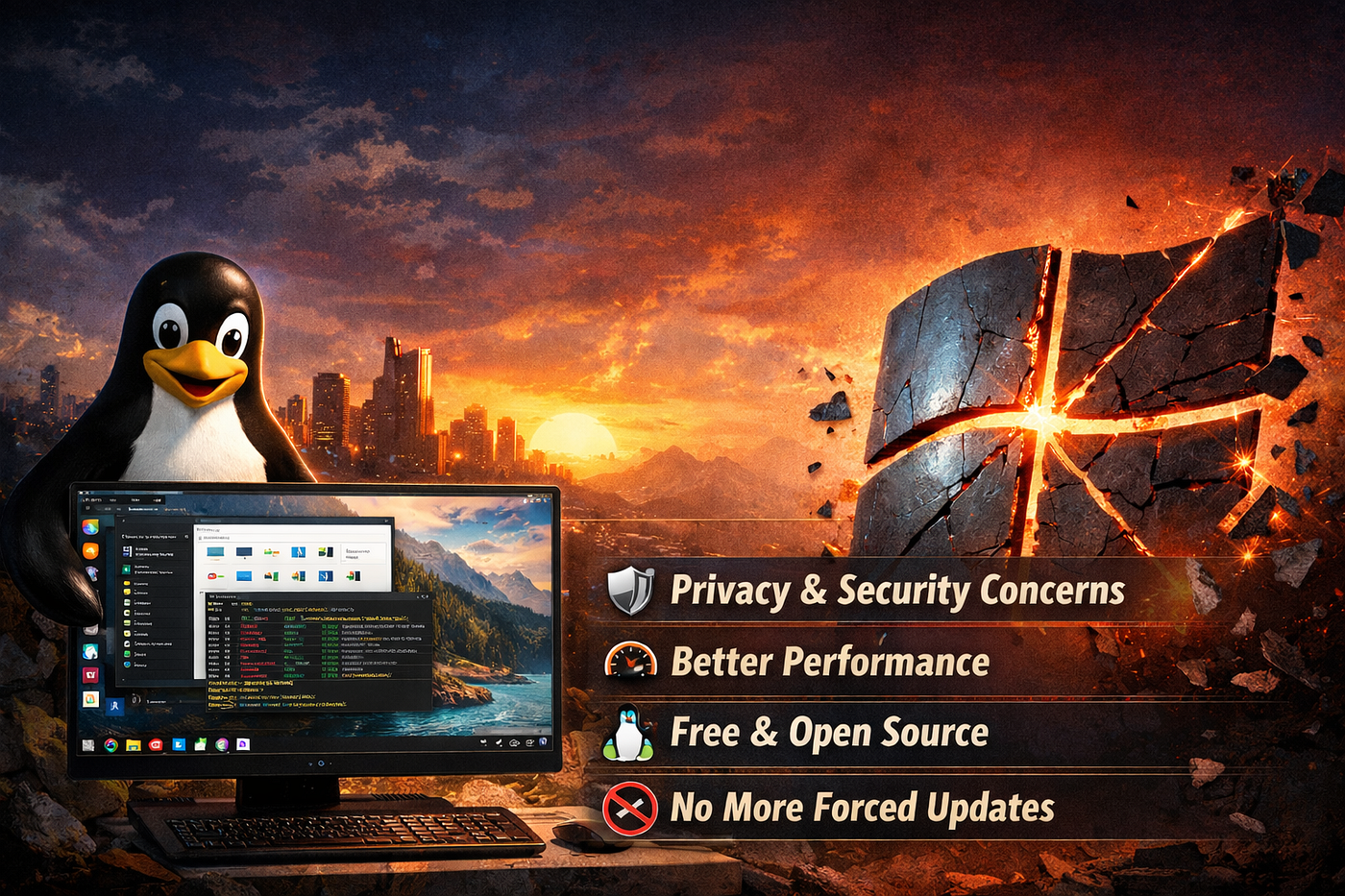
Learning Linux should be approached as a gradual process rather than a race. Establishing a consistent study routine delivers better long-term results than trying to master everything at once.
A practical roadmap includes:
- Learn basic commands
- Explore one Linux distribution thoroughly
- Practice shell scripting
- Understand networking
- Study security fundamentals
- Learn Git and version control
- Explore Docker and containers
- Build personal Linux projects
- Practice server administration
- Continue following industry developments
Hands-on experience remains the most effective teacher. Setting up personal labs, virtual machines, and test environments provides valuable practical knowledge that books alone cannot deliver.
Conclusion
Linux continues to redefine modern computing through innovation, security, flexibility, and exceptional performance. From cloud computing and artificial intelligence to enterprise servers and desktop productivity, Linux remains at the center of technological advancement. Whether you are a beginner learning your first terminal commands or an experienced administrator managing enterprise infrastructure, continuous learning is essential for long-term success. Following trusted resources like trendspblinuxtech helps users stay informed about new technologies, practical tips, security improvements, and expert guidance. By building strong Linux fundamentals, practicing regularly, embracing automation, and keeping systems updated, users can unlock the full potential of this powerful operating system. As Linux continues evolving alongside emerging technologies, those who invest in learning today will be well prepared for the opportunities of tomorrow.