


Productivity on Linux is not simply about working faster. It is about creating an environment where repetitive actions require less effort, information is easier to find, and your tools support the way you actually work. Whether you are a developer, student, freelancer, writer, designer, or business professional, small improvements to your Linux workflow can save significant time over the course of a week. The right pblinuxtech approach combines automation, keyboard shortcuts, efficient file management, terminal commands, workspace organization, and lightweight applications. Instead of constantly switching between programs or repeating manual tasks, you can create a system that handles routine work efficiently. In 2026, Linux users have more opportunities than ever to customize their desktops and workflows. The goal is not to install every productivity tool available, but to build a simple setup that removes friction from your most common tasks.
Build a Distraction-Free Linux Workspace
A productive workspace begins with reducing unnecessary visual and digital distractions. Linux desktop environments provide extensive customization options, allowing you to decide which applications, notifications, panels, widgets, and workspaces remain visible. Start by keeping your primary desktop clean and placing only frequently used applications in your dock or taskbar. Create separate virtual workspaces for different activities, such as communication, research, writing, and development. This prevents unrelated windows from competing for attention.
You can also establish dedicated working sessions. For example, one workspace can contain your browser and research documents, while another holds your editor and terminal. When it is time to focus, switch directly to the relevant workspace instead of searching through dozens of open windows. This simple organizational habit reflects the practical pblinuxtech philosophy of making your computer adapt to your workflow rather than forcing your workflow to adapt to your computer.
Master Keyboard Shortcuts
Using a mouse for every action may feel natural, but frequent clicking can interrupt concentration. Keyboard shortcuts make common operations considerably faster because your hands remain close to the keyboard while navigating applications, windows, and files.
Useful shortcuts vary between desktop environments, but several categories are worth learning:
- Window switching and workspace navigation
- Opening the terminal quickly
- Locking the screen
- Searching applications
- Copying, moving, and renaming files
- Opening new browser tabs
- Switching between terminal sessions
- Taking screenshots
- Controlling media playback
Do not attempt to memorize dozens of shortcuts at once. Choose five or six actions you perform repeatedly and learn those first. After they become automatic, add another group. Over time, this creates a smoother interaction pattern and reduces unnecessary mouse movement.
Use the Terminal for Repetitive Tasks
The Linux terminal can become one of the most powerful productivity tools when used appropriately. Basic commands can help you locate files, inspect directories, create folders, move documents, and perform repetitive operations without navigating multiple graphical menus.
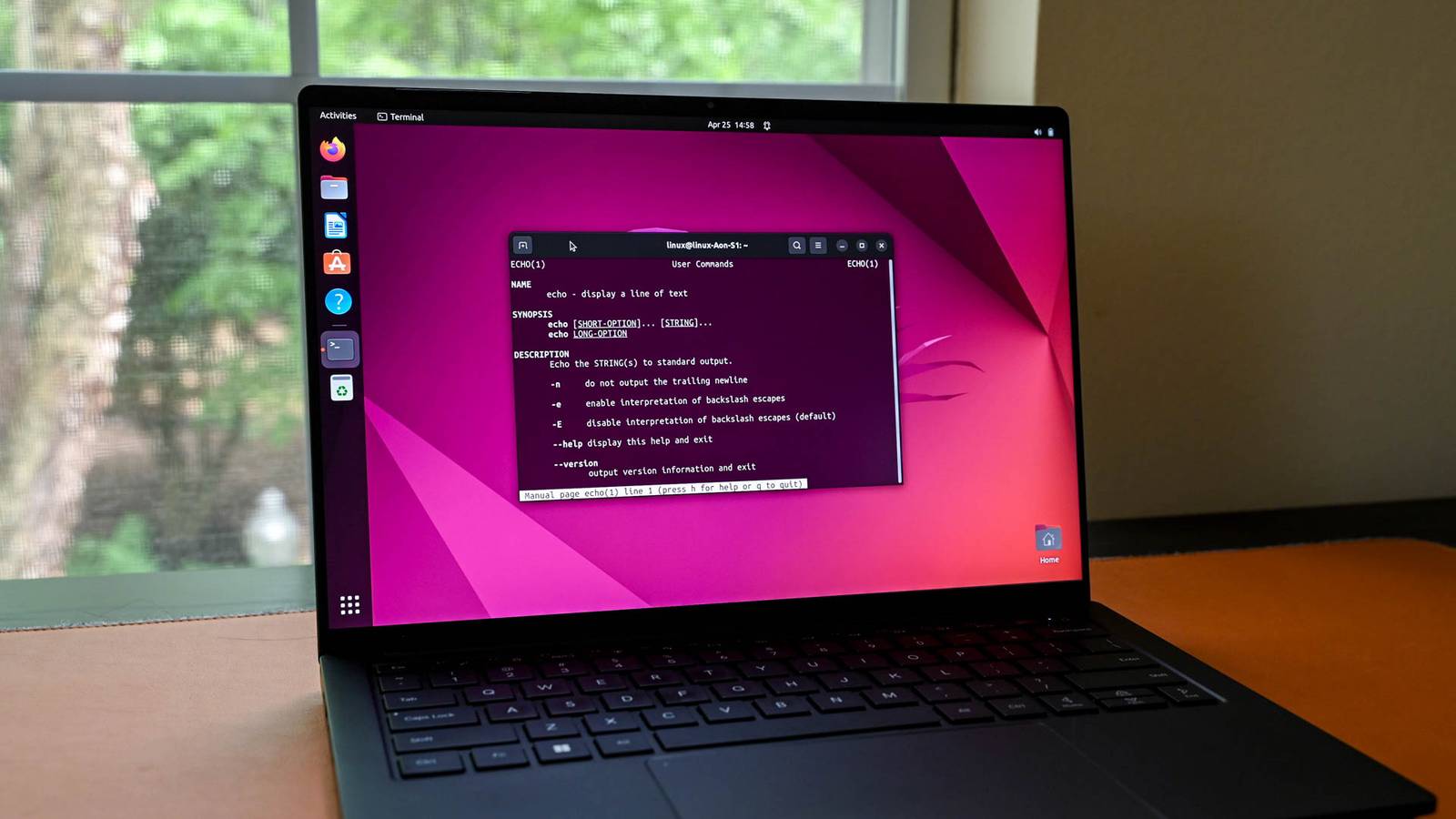
For example, instead of manually creating several related folders, a single command can create a structured directory system. Searching by filename, filtering results, checking file information, and processing groups of files can also be significantly faster from the command line.
The important point is not to replace every graphical application with terminal commands. Use the terminal when it provides a genuine advantage. A balanced pblinuxtech workflow combines graphical tools for visual tasks with command-line tools for repetitive or structured operations.
Automate Repetitive Work
Automation is one of the biggest productivity advantages available to Linux users. If you repeatedly perform the same sequence of actions, consider whether a script, scheduled task, alias, or automation utility can handle part of the process.
Simple scripts can help with tasks such as:
- Creating project folders
- Renaming batches of files
- Backing up important directories
- Cleaning temporary files
- Converting groups of documents
- Organizing downloads
- Starting several applications together
Automation should be introduced gradually. First identify a task that you repeat frequently. Then determine which steps are predictable. Finally, automate only those steps that are unlikely to require constant manual decisions. This approach reduces errors while keeping your workflow understandable.
Create a Better File Organization System
Poor file organization can quietly consume hours every month. A good Linux productivity system should make important files easy to locate without relying entirely on memory.
Use descriptive folder names and consistent naming conventions. Instead of filenames such as document1, finalnew, or projectlatest, use names that explain the contents and, when useful, include dates or version numbers.
A practical structure might look like this:
| Category | Example Folder | Purpose |
|---|---|---|
| Projects | Projects | Active personal or professional work |
| Documents | Documents | General files and records |
| Research | Research | Notes, references, and source material |
| Archive | Archive | Older completed projects |
| Downloads | Downloads | Temporary incoming files |
| Backup | Backup | Copies of important information |
The objective is simple: every file should have an obvious home. Regularly clearing the downloads directory and archiving finished projects can prevent digital clutter from growing into a larger problem.
Improve Browser-Based Productivity
For many Linux users, the browser is effectively another operating environment. Research, communication, cloud applications, project management, documentation, and entertainment can all compete for attention in the same window.
Use separate browser profiles or carefully organized tab groups for different activities when appropriate. Keep frequently used web applications accessible without allowing dozens of unrelated tabs to remain open indefinitely.
Bookmarking every interesting page can also create another form of clutter. Save only information that you are likely to revisit, and periodically remove outdated bookmarks. A focused browser is easier to navigate and reduces the temptation to switch tasks unnecessarily.
Use Aliases to Speed Up Common Commands
If you repeatedly type long commands, shell aliases can save time. An alias gives a short name to a command or command sequence that you use regularly.
For example, a developer might create shortcuts for frequently accessed project directories or commonly used version-control commands. A writer might create shortcuts for opening a particular working directory. The benefit comes from repetition: a few seconds saved on a command may seem insignificant, but hundreds of repetitions can add up.
Keep aliases intuitive and document unusual ones. Productivity improvements should make your system easier to operate, not create a collection of mysterious commands that you eventually forget.
Manage Notifications More Carefully
Notifications are useful when they communicate something genuinely important. They become disruptive when every message, update, application event, or promotional alert demands immediate attention.
Review notification settings and disable alerts that do not require real-time responses. During focused work, consider using a temporary do-not-disturb mode. Check communication platforms at planned intervals instead of reacting to every notification as it appears.
This is particularly useful for remote workers and freelancers who may need to balance multiple clients, projects, and communication channels. A focused notification strategy supports the broader pblinuxtech goal of protecting attention while maintaining access to important information.
Optimize Your Startup Environment
Every application launched during startup consumes some system resources and increases the amount of digital clutter waiting for you when the computer becomes ready.
Review which applications automatically start with the system. Keep essential services enabled, but consider disabling programs that you rarely need immediately. If an application is only used once or twice per day, launching it when required may be more efficient than keeping it active continuously.
This can also make your desktop feel cleaner. Instead of beginning every morning by closing unwanted applications, you can begin with an environment designed around the work you actually intend to perform.
Use Virtual Desktops Strategically
Virtual desktops are particularly useful when several projects require different collections of applications. Rather than keeping everything on one screen, assign a purpose to each workspace.
For example:
- Workspace 1: Email and communication
- Workspace 2: Writing and documents
- Workspace 3: Development and terminal
- Workspace 4: Research and reference material
The exact arrangement is less important than consistency. Once you know where each category belongs, switching contexts becomes faster and less mentally demanding.
Choose Lightweight Tools When Possible
More features do not automatically mean better productivity. A complicated application can introduce unnecessary menus, background processes, synchronization demands, and configuration work.
Choose tools according to the tasks you actually perform. A lightweight text editor may be preferable for quick notes, while a full development environment makes sense for complex software projects. Similarly, a simple file manager can be sufficient for everyday organization.
The best setup is one that feels predictable. A useful pblinuxtech workflow prioritizes reliability and simplicity over collecting applications simply because they are available.
Create Daily Productivity Routines
Technology works best when combined with consistent habits. Start each working session by identifying the most important tasks rather than immediately opening every application.
A simple routine could involve reviewing your schedule, selecting two or three priorities, opening only the necessary workspaces, and completing focused work before checking less urgent communication.
At the end of the day, spend a few minutes closing unnecessary applications, organizing files, recording unfinished tasks, and preparing the workspace for the next session. This creates a clear boundary between one work period and the next.
Keep Your Linux Setup Maintainable
Customization can become counterproductive if your system requires constant maintenance. Avoid changing configurations simply for the sake of experimentation when your existing setup already works well.
Keep important scripts backed up, document significant configuration changes, and remove tools you no longer use. Periodically review your workflow and ask which processes are saving time and which are creating additional complexity.
A sustainable productivity environment should become easier to use over time. That is where the strongest pblinuxtech principles stand out: purposeful customization, sensible automation, organized information, and minimal friction.
Conclusion
Linux productivity is ultimately about control. You can shape the desktop, terminal, shortcuts, automation, files, notifications, and applications around the way you work. The most effective improvements are rarely dramatic. A useful keyboard shortcut, a cleaner folder structure, a small automation script, or a better virtual-desktop system can each remove tiny sources of friction that accumulate throughout the day. Start with one recurring problem rather than attempting to redesign your entire computer at once. Measure whether the change genuinely saves time, then build on it. With consistent refinement, your Linux environment can become faster, cleaner, and more comfortable to operate. By applying the practical pblinuxtech mindset throughout 2026, everyday computing can shift from a collection of repetitive actions into a smarter workflow designed around your priorities.