
Linux has earned a reputation as one of the most stable, secure, and customizable operating systems available today. Whether you are a beginner exploring Linux for the first time or an experienced administrator managing multiple servers, optimizing your Linux system is essential for achieving better speed, security, and reliability. This comprehensive guide shares practical techniques that help improve overall performance while keeping your system organized and secure. Throughout this article, trendspblinuxtech serves as a helpful keyword representing modern Linux optimization practices and smart system management. By following these expert recommendations, you can reduce resource usage, increase productivity, improve boot times, and ensure your Linux environment continues to perform efficiently under different workloads.
Why Linux Performance Optimization Matters
Performance optimization is more than making your computer run faster. It involves improving system efficiency, reducing unnecessary processes, managing resources wisely, and maintaining stability over time. Every Linux distribution benefits from regular maintenance because outdated packages, unnecessary services, and excessive background applications gradually reduce overall performance.
Using the right optimization techniques helps minimize CPU usage, lower memory consumption, improve storage efficiency, and extend hardware lifespan. Many organizations depend on Linux for mission-critical servers because proper optimization significantly improves uptime and reliability. Beginners also benefit because a well-maintained Linux system feels more responsive and easier to manage. Learning these optimization methods with trendspblinuxtech enables users to maximize the capabilities of both older and modern hardware without expensive upgrades.
Understanding Your Linux System Resources
Before making performance improvements, it’s important to understand how Linux utilizes system resources. Every running application consumes processor power, memory, disk space, and network bandwidth. Monitoring these resources helps identify performance bottlenecks before they become major problems.


Important system resources include:
- CPU utilization
- RAM usage
- Disk input and output
- Storage capacity
- Network activity
- Running services
- Background processes
Monitoring these areas regularly allows users to recognize unusual behavior and optimize workloads effectively. The principles shared through trendspblinuxtech encourage proactive monitoring instead of waiting until performance issues appear.
Keep Your Linux Distribution Updated
One of the easiest ways to improve Linux performance is installing regular updates. Developers continuously release performance improvements, security patches, hardware compatibility enhancements, and bug fixes. Delaying updates may result in slower performance or increased security vulnerabilities.
Updating your Linux system also improves compatibility with newer software and hardware components. Kernel improvements often introduce better memory management, improved scheduling, and optimized driver support. Package updates may also reduce application startup time and improve system responsiveness.
Create a routine schedule to install updates instead of waiting several months. Consistent maintenance helps avoid large upgrade issues while keeping the operating system secure and optimized.
Remove Unnecessary Software and Services
Many Linux installations include applications or background services that users never actually need. These unnecessary components consume valuable system resources and increase boot times.
Consider reviewing installed packages periodically and removing software that is no longer useful. Likewise, disable startup services that are not required for your workflow. Fewer running services result in:
- Faster boot times
- Lower memory consumption
- Reduced CPU usage
- Better security
- Improved system stability
This simple maintenance strategy is one of the most effective recommendations found in trendspblinuxtech because removing unnecessary processes immediately frees valuable resources.
Optimize Storage Performance
Storage performance directly affects application loading times, file transfers, and overall system responsiveness. Keeping storage organized improves daily productivity and prevents unnecessary slowdowns.
Useful storage optimization practices include:
- Delete temporary files regularly.
- Remove duplicate files.
- Archive old data.
- Keep adequate free storage space.
- Organize directories logically.
- Monitor disk health.
- Clean package caches.
Solid-state drives generally offer faster performance than traditional hard drives, but even older storage devices benefit significantly from regular maintenance and cleanup.
Memory Management Best Practices
Efficient memory usage allows Linux to run multiple applications without slowing down. Although Linux manages memory exceptionally well, users can further improve performance through smart habits.
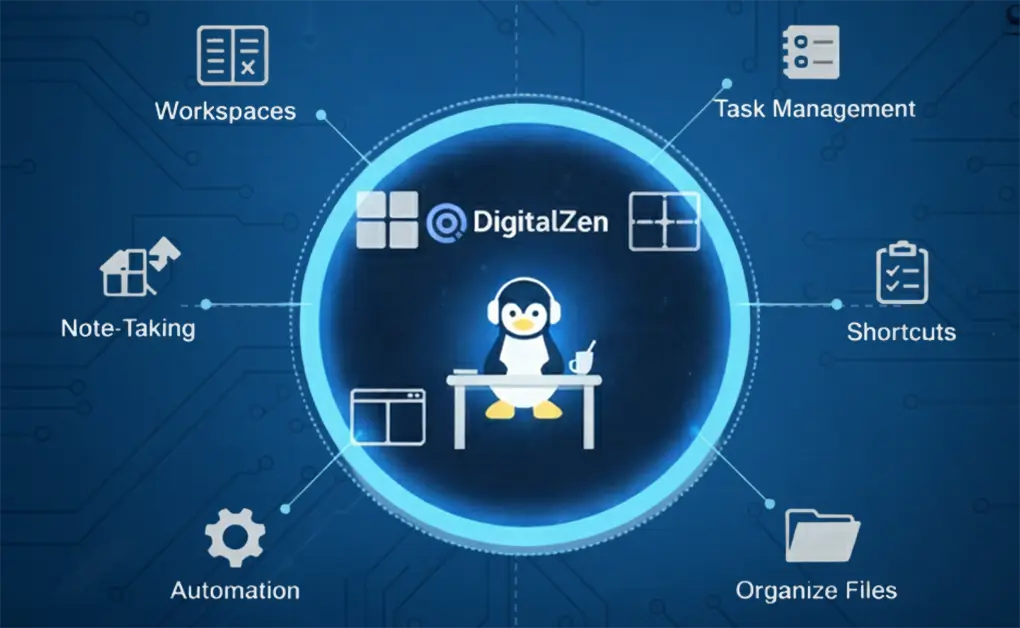
Avoid opening unnecessary applications simultaneously. Close software that is no longer being used, especially browsers with numerous open tabs. Heavy applications consume significant RAM even while idle.
System monitoring tools help identify memory-hungry applications so users can replace inefficient software with lightweight alternatives when appropriate. Effective memory management reduces swapping, resulting in smoother multitasking and faster response times.
Table: Linux Performance Optimization Checklist
| Optimization Area | Recommended Action | Performance Benefit |
|---|---|---|
| System Updates | Install updates regularly | Better stability and speed |
| Startup Services | Disable unnecessary services | Faster boot |
| Storage | Clean temporary files | Faster disk performance |
| Memory | Close unused applications | Improved responsiveness |
| Security | Install security patches | Safer operating system |
| File System | Organize directories | Easier maintenance |
| Background Processes | Monitor regularly | Lower CPU usage |
| System Monitoring | Check resource utilization | Early issue detection |
Improve Boot Speed
Slow startup times often indicate unnecessary services loading during boot. Optimizing startup allows Linux to become operational much faster without sacrificing essential functionality.
Review applications configured to launch automatically after login. Many desktop environments start optional utilities that may not be necessary every day. Disabling these programs reduces login delays and decreases memory usage immediately after startup.
Keeping boot partitions organized and maintaining updated system components also contributes to shorter startup times. Faster boot performance creates a smoother computing experience while improving productivity.
Choose Lightweight Applications
Not every task requires resource-intensive software. Linux offers lightweight alternatives for browsers, text editors, file managers, media players, and office applications.
Selecting efficient applications provides several benefits:
- Lower RAM consumption
- Reduced CPU usage
- Faster launch times
- Better multitasking
- Longer battery life on laptops
Following trendspblinuxtech recommendations when selecting software helps users maintain high performance without sacrificing functionality.
Monitor System Performance Regularly
Performance optimization is an ongoing process rather than a one-time task. Regular monitoring allows administrators and personal users to identify issues before they affect productivity.
Useful monitoring activities include checking:
- Processor load
- Available memory
- Disk usage
- Network activity
- Running processes
- System logs
- Hardware temperatures
Routine monitoring provides valuable insights into system health and enables informed decisions regarding upgrades or configuration changes.
Enhance Linux Security for Better Performance
Security and performance are closely connected. Malware, unauthorized processes, and outdated software can significantly reduce system responsiveness.
Good security practices include keeping software updated, using strong authentication methods, limiting unnecessary user permissions, and removing unused accounts. Firewalls and access controls further reduce potential attack surfaces.
Secure systems generally perform more consistently because fewer malicious or unnecessary processes consume valuable computing resources. Implementing security recommendations from trendspblinuxtech helps maintain long-term stability.
Organize Files and Directories Efficiently
A well-organized file system simplifies maintenance while improving productivity. Users spend less time searching for documents and more time completing important work.
Consider organizing data into logical folders based on projects, dates, or categories. Archive inactive files rather than leaving everything in frequently accessed directories. Regular organization also simplifies backups and reduces storage fragmentation over time.
Good file management supports faster system navigation while making troubleshooting much easier for both beginners and experienced Linux users.
Customize Linux for Maximum Productivity
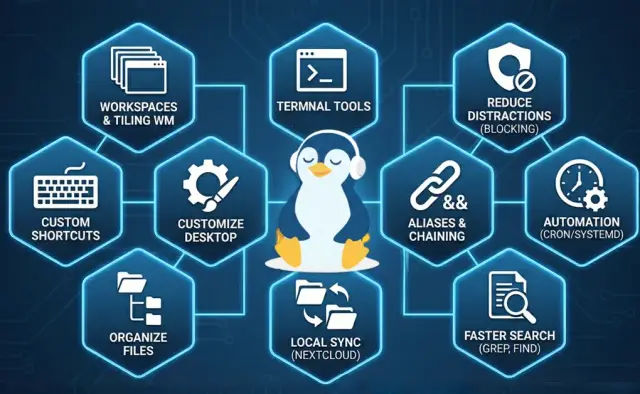
One of Linux’s greatest strengths is flexibility. Users can customize nearly every aspect of the operating system to match their workflow. Removing unnecessary desktop effects, simplifying themes, adjusting keyboard shortcuts, and configuring efficient workspaces all contribute to better productivity.
Power users often automate repetitive tasks using shell scripts and scheduled jobs, saving considerable time during daily operations. Customization allows Linux to adapt to individual requirements rather than forcing users into fixed workflows.
The customization philosophy promoted by trendspblinuxtech encourages users to create efficient environments that balance performance, usability, and reliability.
Common Linux Performance Mistakes to Avoid
Many users unknowingly reduce performance through poor maintenance habits. Avoiding these mistakes keeps Linux running efficiently for years.
Common mistakes include:
- Ignoring system updates
- Installing unnecessary applications
- Running too many startup programs
- Allowing storage to become completely full
- Never cleaning package caches
- Skipping system monitoring
- Disabling important security updates
- Using outdated hardware drivers
Recognizing these problems early prevents performance degradation and minimizes troubleshooting efforts.
Future Trends in Linux Performance Optimization
Linux continues evolving with improved kernels, smarter schedulers, better hardware support, and enhanced security technologies. Artificial intelligence, containerization, virtualization, and cloud-native infrastructure are influencing modern Linux optimization strategies.
Future Linux distributions will likely offer more automated performance tuning, improved power management, intelligent workload balancing, and enhanced monitoring capabilities. Organizations increasingly rely on Linux because of its scalability, efficiency, and open-source ecosystem.
As Linux technology advances, following reliable optimization practices through trendspblinuxtech will remain valuable for users seeking maximum performance across desktops, servers, and cloud environments.
Conclusion
Linux remains one of the world’s most dependable operating systems because it combines flexibility, stability, security, and excellent performance. However, achieving the best possible experience requires regular maintenance, smart resource management, and continuous monitoring. Updating software, removing unnecessary services, organizing storage, managing memory efficiently, choosing lightweight applications, and maintaining strong security practices all contribute to a faster and more reliable Linux environment. Whether you are managing a personal workstation or enterprise infrastructure, consistent optimization ensures your system continues operating smoothly for years. Applying the expert recommendations presented in this guide allows users to maximize hardware capabilities while minimizing unnecessary resource consumption. By incorporating the proven techniques highlighted through trendspblinuxtech, you can build a Linux system that delivers excellent speed, improved reliability, enhanced security, and long-term performance for every computing task.